'%20fill='%23ccc'/%3e%3c/svg%3e)

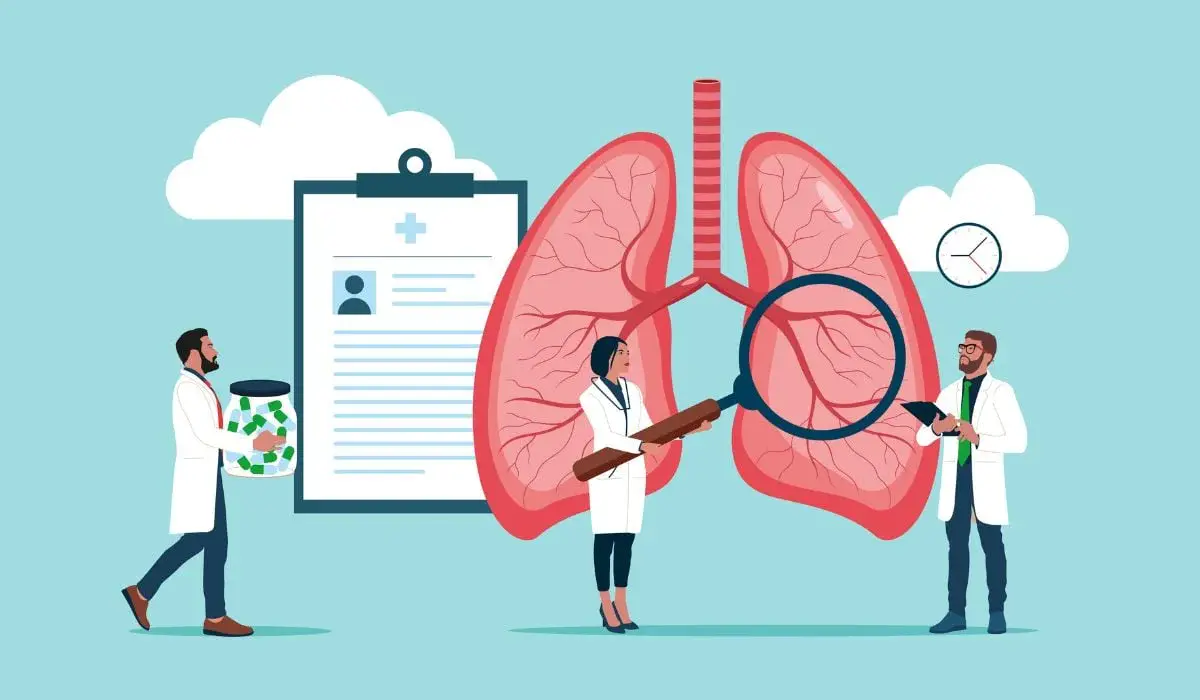
Understanding Lung Cancer and Treatment Challenges
Lung cancer can be categorized into two main types: non-small cell lung cancer (NSCLC) and small cell lung cancer (SCLC). NSCLC is the most common, accounting for around 85% of all lung cancer cases. Early detection of lung cancer remains difficult, which is why it is often diagnosed at advanced stages.
Key Challenges in Lung Cancer Treatment:
- Late Diagnosis: Many lung cancers are diagnosed at later stages, making treatment more difficult.
- Resistance to Conventional Treatments: Some cancers become resistant to traditional therapies like chemotherapy and radiation.
- Tumor Heterogeneity: Lung cancer tumors can vary greatly from patient to patient, requiring individualized treatment strategies.
1. Targeted Therapy for Lung Cancer
Targeted therapy has revolutionized lung cancer treatment by focusing on specific genes, proteins, or tissues that drive cancer growth. Unlike traditional chemotherapy, targeted treatments attack cancer cells directly, causing fewer side effects and offering a more effective way to manage the disease.
Common Targeted Therapies in Lung Cancer:
- EGFR Inhibitors: For patients with EGFR mutations, these drugs can block the signals that promote cancer cell growth.
- ALK Inhibitors: These drugs are used for patients with ALK gene rearrangements and work by targeting and inhibiting abnormal protein activity in cancer cells.
- ROS1 Inhibitors: ROS1 mutations are rare, but when present, these inhibitors can provide a targeted approach for effective treatment.
Benefits of Targeted Therapy:
- Reduced Side Effects: Targeted therapy is more precise, leading to fewer side effects compared to traditional treatments.
- Improved Effectiveness: For patients with specific genetic mutations, targeted therapies can offer higher success rates than conventional chemotherapy.
2. Immunotherapy: A Game Changer for Lung Cancer Treatment
Immunotherapy is one of the most exciting breakthroughs in lung cancer treatment. By harnessing the body’s immune system, immunotherapy drugs help the immune system identify and destroy cancer cells. In particular, checkpoint inhibitors have made significant strides in treating advanced lung cancer.
Types of Immunotherapy for Lung Cancer
- Checkpoint Inhibitors: Drugs like nivolumab (Opdivo) and pembrolizumab (Keytruda) block the proteins that prevent the immune system from attacking cancer cells.
- Cytokine Therapy: Cytokines such as interleukin-2 (IL-2) and interferons can stimulate the immune system, helping it fight off cancer more effectively.
- CAR T-Cell Therapy: Though more commonly associated with blood cancers, CAR T-cell therapy is being tested for its potential in lung cancer as well.
Benefits of Immunotherapy:
- Durable Responses: In some patients, immunotherapy can result in long-lasting remissions, even in advanced stages of cancer.
- Effective for Advanced Cancers: Immunotherapy has shown effectiveness in patients whose lung cancer has spread to other parts of the body.
3. Chemotherapy: Still a Core Treatment for Lung Cancer
Although newer therapies like targeted therapy and immunotherapy are becoming more common, chemotherapy remains an essential component of lung cancer treatment. Chemotherapy involves using drugs to kill rapidly dividing cancer cells, and while it may cause more side effects, it is still a key treatment option, especially for advanced stages of the disease.
How Chemotherapy Works for Lung Cancer
Chemotherapy drugs work by targeting fast-growing cancer cells. They are typically used when lung cancer is diagnosed at an advanced stage or when other therapies are ineffective.
Common Chemotherapy Drugs for Lung Cancer:
- Cisplatin
- Carboplatin
- Paclitaxel
- Docetaxel
Benefits of Chemotherapy:
- Effective for Advanced Stages: Chemotherapy remains the go-to option for advanced lung cancer where other treatments may not be available.
- Combination Therapy: Chemotherapy is often combined with targeted therapies or immunotherapies to enhance effectiveness.
4. Precision Medicine: The Future of Lung Cancer Treatment
Precision medicine is an emerging field that tailors treatments to a patient's individual genetic makeup. For lung cancer patients, this means treatments can be customized based on the specific genetic mutations present in their tumors, offering a more personalized and targeted approach to care.
How Precision Medicine Is Shaping Lung Cancer Treatment:
- Genetic Testing: By testing tumor samples for genetic mutations, doctors can identify which treatments are most likely to be effective for a particular patient.
- Customized Treatment Plans: Precision medicine allows for therapies that are more likely to work for individual patients, avoiding the one-size-fits-all approach.
Benefits of Precision Medicine:
- Tailored Treatment Plans: Patients receive the most effective treatments based on their genetic profiles.
- Minimized Side Effects: By choosing the right treatments, doctors can minimize side effects, improving the patient's quality of life.
Lung Cancer Treatment: What to Expect in 2025
The future of lung cancer treatment looks promising, with significant progress expected by 2025. We can anticipate more effective therapies that combine immunotherapy, targeted therapies, and personalized medicine for a comprehensive approach to treatment.
What Patients Can Expect:
- Increased Survival Rates: With advances in treatment options, survival rates for lung cancer patients are expected to improve.
- Fewer Side Effects: New therapies will continue to be more targeted, reducing side effects and improving overall quality of life.
- More Personalized Treatments: As precision medicine becomes more widespread, patients will benefit from treatment plans tailored to their specific genetic profiles.
Conclusion
Lung cancer treatment is undergoing rapid evolution, with immunotherapy, targeted therapies, and personalized medicine leading the charge toward more effective, less invasive treatments. As we look to the future, the outlook for lung cancer patients continues to improve, offering hope and better outcomes for those diagnosed with this challenging disease.