'%20fill='%23ccc'/%3e%3c/svg%3e)

Understanding Advanced Prostate Cancer
Advanced prostate cancer occurs when cancer cells spread beyond the prostate to other parts of the body, such as the bones or lymph nodes. This stage of cancer can be challenging to treat, but with new therapies focusing on targeted treatments, immunotherapy, and gene therapies, survival rates and quality of life for patients are on the rise.
What Makes Advanced Prostate Cancer Treatment Challenging?
- Metastatic Spread: Cancer that has spread to distant organs is harder to treat.
- Resistance to Hormone Therapy: Advanced prostate cancer often becomes resistant to hormone treatments, which traditionally block the effects of testosterone.
- Need for Precision: Each patient's cancer can have unique genetic markers, which makes personalized treatment essential.
1. Targeted Therapy for Advanced Prostate Cancer
Targeted therapy is one of the most promising advancements in the treatment of advanced prostate cancer. By focusing on specific genes or proteins that drive cancer growth, targeted therapies aim to destroy cancer cells while leaving healthy cells untouched.
Types of Targeted Therapy Used for Prostate Cancer
- PARP Inhibitors: These drugs are effective in patients with certain gene mutations, such as BRCA1 and BRCA2, that affect DNA repair mechanisms.
- Radionuclide Therapy: A form of radiotherapy, this treatment uses radioactive substances to target cancer cells directly, especially those that have spread to the bones.
Benefits of Targeted Therapy:
- Reduced Side Effects: Unlike traditional chemotherapy, targeted therapies focus only on cancer cells, minimizing damage to surrounding healthy tissues.
- Improved Effectiveness: Targeted treatments can be more effective than generalized treatments, particularly in cases where cancer has spread.
2. Immunotherapy: The Future of Prostate Cancer Treatment
Immunotherapy is rapidly emerging as a groundbreaking approach in the treatment of advanced prostate cancer. By boosting the body's immune system to recognize and fight cancer cells, immunotherapy has shown potential in treating cancers that were previously difficult to manage.
Types of Immunotherapy for Prostate Cancer
- Checkpoint Inhibitors: These drugs help the immune system recognize and attack cancer cells by blocking proteins that prevent immune cells from recognizing cancer.
- Cancer Vaccines: Sipuleucel-T is an FDA-approved vaccine that stimulates the immune system to fight prostate cancer.
- Cytokine Therapy: Cytokines, such as interleukins and interferons, are used to enhance the body’s immune response against cancer cells.
Potential Benefits of Immunotherapy:
- Long-Term Response: In some patients, immunotherapy can lead to durable, long-term responses, even in advanced stages of prostate cancer.
- Personalized Approach: Immunotherapy treatments can be tailored to the patient’s unique genetic profile, improving overall effectiveness.
3. Hormone Therapy and Beyond: Managing Prostate Cancer Resistance
Hormone therapy is a standard treatment for prostate cancer, as the disease often depends on testosterone to grow. However, over time, some prostate cancers can become resistant to hormone treatments. New therapies are now focusing on overcoming this challenge.
Advanced Hormone Therapies
- Abiraterone (Zytiga): This drug reduces the production of testosterone and has shown effectiveness in patients whose cancer is resistant to other treatments.
- Enzalutamide (Xtandi): Enzalutamide blocks testosterone from binding to cancer cells, helping to slow tumor growth.
Overcoming Resistance to Hormone Therapy
To combat hormone resistance, newer androgen receptor-targeting therapies are being developed to directly inhibit the androgen receptor and prevent cancer cell growth.
4. Gene Therapy: The New Frontier in Advanced Prostate Cancer Treatment
Gene therapy is an innovative approach that has the potential to dramatically change the treatment landscape for prostate cancer. By modifying or repairing genes within the patient's cancer cells, gene therapy aims to stop the cancer from spreading or even eliminate the disease altogether.
How Gene Therapy Works for Prostate Cancer
- Gene Editing: Techniques like CRISPR-Cas9 allow for precise modification of the genetic material of cancer cells, potentially reversing mutations that cause cancer.
- Gene Transfer: This method involves introducing new genetic material into a patient’s cancer cells to promote a better immune response or to directly fight the cancer.
Potential of Gene Therapy:
- Personalized Treatment: Gene therapy can be customized for each individual’s genetic makeup, leading to highly targeted and efficient treatments.
- Cure Potential: Gene therapy may eventually offer a curative option for some patients, particularly when combined with other treatments.
Advanced Prostate Cancer Treatment: What to Expect in 2025
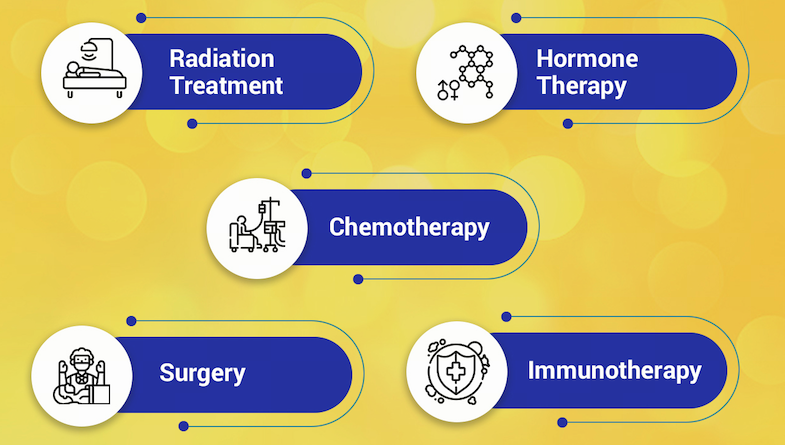
Looking ahead, advanced prostate cancer treatment in 2025 will likely focus on combining several of the treatments mentioned above. Personalized, multi-modal therapies that combine immunotherapy, targeted therapy, and gene therapy could become the standard approach to treating advanced prostate cancer.
What Patients Can Expect:
- More Effective Combination Treatments: The future will likely bring combination therapies that combine multiple approaches for a more effective and targeted treatment plan.
- Reduced Side Effects: Newer therapies will continue to reduce the side effects associated with traditional cancer treatments, improving the overall quality of life for patients.
- Improved Survival Rates: As new treatments emerge, survival rates for patients with advanced prostate cancer will continue to improve, offering greater hope for remission and long-term survival.
Conclusion
Advancements in advanced prostate cancer treatment have transformed the landscape of care for men facing this diagnosis. With cutting-edge therapies like targeted treatments, immunotherapy, and gene therapy, patients can expect more effective, personalized treatments with fewer side effects. As we move into 2025, the future of prostate cancer treatment looks increasingly promising, offering new hope for patients and their families.