'%20fill='%23ccc'/%3e%3c/svg%3e)

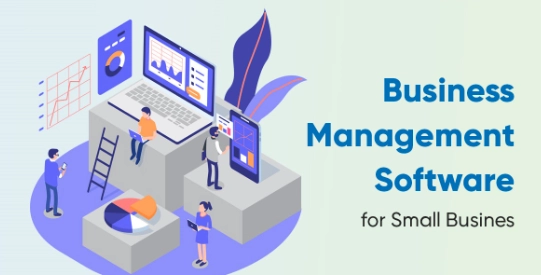
Why Small Business Management Software Is Essential
For small business owners, staying organized and efficient is crucial. Small business management software provides an all-in-one solution that helps business owners manage different aspects of their operations, such as:
- Customer Relationship Management (CRM)
- Accounting and Financial Tracking
- Inventory Management
- Project and Task Management
- Employee Scheduling and Payroll
Using the right software can free up valuable time, reduce human error, and enable smarter decision-making. But with so many options available, choosing the best one for your needs can be challenging. Let's dive into some of the top solutions available today.
Top Small Business Management Software Solutions
Here are some of the best small business management software tools that can help streamline your operations and keep your business running smoothly:
1. QuickBooks Online
QuickBooks Online is one of the most popular accounting software solutions for small businesses. It allows you to easily manage invoices, track expenses, and generate financial reports. The software integrates with bank accounts and other tools, offering a streamlined way to track your finances.
- Features:
- Best For: Small businesses needing comprehensive accounting and financial management features.
2. Zoho One
Zoho One is a complete suite of business management tools designed to help small businesses manage everything from CRM to project management and email marketing. Zoho One's integrated system allows businesses to streamline multiple functions into a single platform.
- Features:
- Best For: Businesses looking for an all-in-one suite with highly customizable features.
3. Trello
Trello is a task and project management tool known for its intuitive and visual boards that help businesses organize projects and manage workflows. With simple drag-and-drop functionality, Trello makes it easy to track progress and assign tasks to team members.
- Features:
- Best For: Small businesses that need a visual and simple project management tool.
4. FreshBooks
FreshBooks is a cloud-based accounting software that specializes in invoicing, expense tracking, and time tracking for small businesses. It's designed for business owners who want a straightforward tool to manage financials without dealing with complex features.
- Features:
- Best For: Freelancers, contractors, and small service-based businesses.
5. Monday.com
Monday.com is a powerful project management and team collaboration tool. It provides flexibility for businesses to manage their operations in a way that suits their specific needs, from task management to customer relations and beyond.
- Features:
- Best For: Teams that require robust project management and collaboration features.
Comparison Chart: Key Features of Top Small Business Management Software
| Software | Key Features | Best For | Pricing |
|---|---|---|---|
| QuickBooks Online | Automated invoicing, expense tracking, financial reports, payroll | Accounting-focused businesses | $25–$180/month |
| Zoho One | CRM, email marketing, inventory, project management, customizable | All-in-one solution for growing businesses | $37/user/month (annual billing) |
| Trello | Visual boards, task management, collaboration features | Task and project management | Free, Paid plans from $5/user/month |
| FreshBooks | Invoicing, time tracking, expense tracking, client management | Freelancers and service-based businesses | $15–$50/month |
| Monday.com | Project boards, collaboration tools, custom workflows | Teams that need flexible project management | $8/user/month |
How to Choose the Right Small Business Management Software
Choosing the best small business management software depends on your specific business needs. Here are a few factors to consider:
- Identify Key Features: Determine the most critical features for your business, whether it's accounting, CRM, or project management.
- Consider Scalability: Choose software that can grow with your business. You’ll want a solution that can handle increasing needs as your business expands.
- Integration Capabilities: Ensure the software can integrate with other tools you're already using, such as your email system, accounting software, or payment processor.
- User-Friendly Interface: Look for software that is intuitive and easy for you and your team to use.
- Budget: Set a clear budget and choose a software solution that fits within it while still meeting your business needs.
Conclusion
Investing in the right small business management software can drastically improve your business operations by saving you time, reducing errors, and increasing efficiency. From accounting to project management, the tools mentioned above offer tailored solutions to help your business thrive. When choosing software, focus on the features that align with your needs, the scalability to grow with your business, and the budget that works for you.
By leveraging these software tools, you’ll be able to streamline your operations and focus on what matters most—growing your business.